What is virtual photography? A guide to in-game capture
Matt Nursalim
6/10/20268 min read
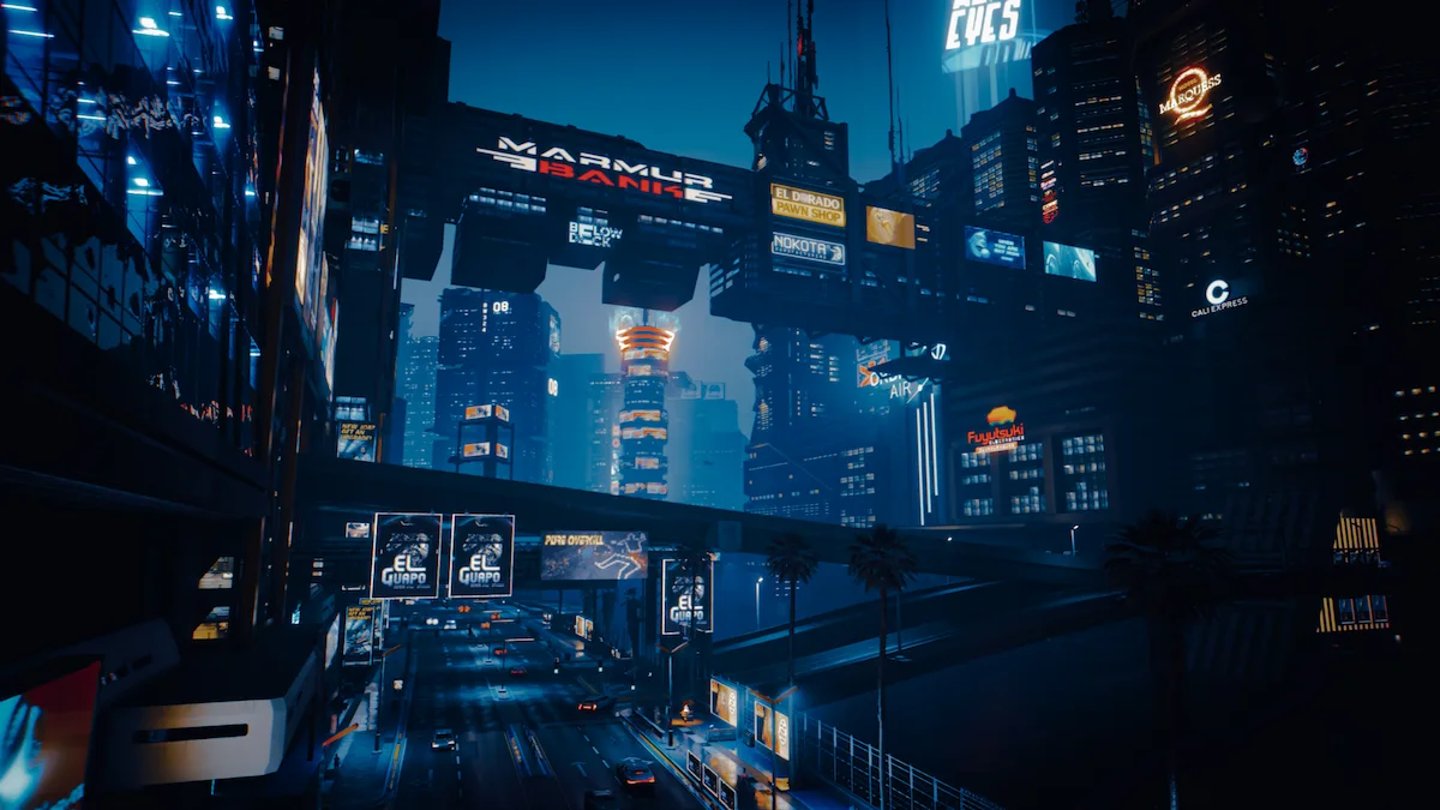
Virtual photography is the practice of capturing intentional, artistic images inside video games using photo mode or camera tools. It is distinct from casual screenshots, has its own communities and annual awards, and has been exhibited in physical galleries. This guide covers what it is, how photo mode works, what the settings actually do, and how to start taking better shots along with where the community lives if you want to go further.
TL;DR
Virtual photography is intentional in-game image-making using photo mode or camera tools, not a screenshot but a composed shot
Photo mode pauses the game and gives you a free camera with adjustable settings: depth of field, exposure, and color grading
Gran Turismo 4 (2005) was the first game with a dedicated photo mode; inFamous: Second Son (2014) popularized the modern version
Communities include the Society of Virtual Photographers, r/VirtualPhotography, and the annual Photo Mode Awards
What is virtual photography?
Virtual photography is the practice of capturing intentional, artistic images inside video games using photo mode or camera tools. Unlike a random screenshot, it applies composition principles, lighting choices, and camera settings to produce a standalone image, one that works outside the context of the game itself.
The practice is also called in-game photography or gametography. Practitioners are sometimes referred to as gametographers or virtual photographers. It is a recognized art form: virtual photography work was exhibited at the Centre Pompidou in Paris in 2015, and annual events like the Photo Mode Awards now draw support from major studios including Bethesda, CD Projekt Red, and Santa Monica Studio.
How virtual photography differs from pressing the share button
Pressing share at the end of a cutscene gives you a screenshot. Virtual photography is something you decide before the frame exists.
The distinction comes down to intent. A screenshot captures what happened. A virtual photograph captures what you made. You move the camera off the default position, adjust the depth of field so the background falls soft, wait for the light to settle, and shoot. The same scene, handled both ways, produces completely different results.
Spend time in the Ghost of Tsushima or The Last of Us Part II galleries and you will see what that difference looks like at its best, shots that read as photographs, not game captures.
What is photo mode in a video game?
Photo mode is an in-game feature that pauses the game world and gives you a free-moving camera, separate from your character's perspective. From there, you control the shot: depth of field, field of view, exposure, color grading, vignette, and in many games, whether your character or other NPCs appear in frame at all.
What you get depends heavily on the game. Some photo modes lock the camera within a few meters of your character. Others like the one in Assassin's Creed Odyssey, let you float the camera anywhere across the map, which opens up environmental shots that have nothing to do with where you're standing.
The feature has become standard in AAA releases over the past decade. Games like Horizon Forbidden West and Cyberpunk 2077 ship with photo modes deep enough to spend hours in without touching the main game. That level of tooling is what separates in-game photography from a screenshot habit.
Photo mode is accessed through the pause menu in most games, though some titles assign it to a shortcut button. The console share button is different, that captures whatever is currently on screen, with no control over the frame.
A brief history of photo mode in games
Photo mode has existed in some form since 1999, though the feature we would recognize today took another fifteen years to arrive.
1999: Metal Gear Solid: Integral. An early bonus "photoshoot mode" included as extra content, the first hint of the idea.
2005: Gran Turismo 4. The first dedicated photo mode with filters and full camera control.
2014: inFamous: Second Son. Popularized the modern free-camera photo mode on consoles, added via an April 2014 patch driven by fan demand.
2016: NVIDIA Ansel. A PC-native SDK enabling virtual photography across supported titles, including 360-degree capture.
After 2014, adoption spread quickly. By the late 2010s and early 2020s, photo mode had become something players expected from major releases. Assassin's Creed Origins and God of War became early reference points for what the feature could do when developers invested in it properly.
Photo mode settings explained. What the controls actually do
Most photo modes use the same vocabulary as real-world cameras. If you have never picked up a DSLR, these labels mean nothing out of context. Here is what each one does in practice:
Depth of field (DoF)
Controls how much of the scene is sharp versus blurred. Go shallow for character portraits so the background falls soft. Go deep for landscapes where you want full-scene sharpness.
Field of view (FoV)
How wide or narrow the camera's frame is. Low FoV gives a compressed, portrait look. High FoV opens up wide cinematic scenes.
Focal length
Controls apparent distance and works alongside FoV. Short focal length gives a wider, immersive feel. Long focal length compresses the image for a portrait-like result.
Exposure
The overall brightness of the image. Critical in dark environments, like interior scenes in Cyberpunk 2077 or the underground areas in Senua's Saga: Hellblade II.
Color grading and filters
Preset palettes that shift the mood of the image. Black and white suits gritty or emotional scenes. Warm tones work for golden-hour landscapes.
Vignette
Darkens the edges of the frame to pull attention toward the center subject. Use it lightly. Too much looks heavy-handed.
Motion blur
Blurs moving objects to suggest speed or movement. Useful for mid-action shots and chase sequences.
Depth of field is the one setting that changes everything. In Ghost of Tsushima's photo mode, dropping the DoF to a shallow value isolates Jin against a soft background the same way bokeh does in portrait photography, the game is simulating the same optical behavior as a wide-aperture lens.
How to take better photos in games
Getting better results has less to do with learning complex settings and more to do with changing a few default habits.
Get off the default camera height. Most players open photo mode at roughly eye level. Moving the camera low, ground level looking up, or pulling it high and angling down gives you a completely different read of the same scene. The subject matters less than the angle.
Use the rule of thirds. Place your subject at one of the four intersection points of an imaginary 3x3 grid over the frame, not dead center. Most photo modes include a grid overlay. Turn it on until positioning at those intersections feels automatic.
Time the light. Open-world games with dynamic weather cycles produce completely different images at different times of day. Overcast light is flat and even. Golden hour adds warmth and long shadows. Spend a few minutes adjusting the in-game time before deciding a scene isn't working.
Remove the character and the HUD. Environmental shots read differently without your protagonist in frame. The world exists on its own. Most photo modes let you toggle characters off entirely, for example Clair Obscur: Expedition 33 and Death Stranding both have environments that hold up as standalone images with no human subject at all.
Take more shots than you think you need. What looked good in the small preview mode sometimes falls apart at full size. Check focus at 100% before committing. You can always delete the extras.
Photo mode vs. freecam mods, what PC players have that console players don't
Console players work primarily with whatever photo mode the developer ships. That is the tool, sometimes limited, sometimes extensive. PlayStation and Xbox both have built-in capture buttons, but those just screenshot the current display with no camera control.
On PC, two additional options open up. NVIDIA Ansel is an SDK that publishers can integrate into their titles, and when it is supported, it adds features console photo modes typically lack: 360-degree capture, super-resolution output, and in some cases camera movement beyond what the native mode allows.
The second option is community-built freecam and cinematic tools. Camera mods created by players for games that either lack official photo mode support or have restrictive native implementations. Elden Ring, for example, has no official photo mode, but PC players have built tools that give full camera freedom across The Lands Between. Availability and stability vary by game, and these are unofficial tools, so compatibility is not guaranteed.
The virtual photography community, where to find other practitioners
Virtual photography has its own infrastructure. The Society of Virtual Photographers organizes practitioners and advocates for the form as a legitimate creative discipline. The Photo Mode Awards with its 2025 edition backed by Bethesda, CD Projekt Red, Insomniac, and Santa Monica Studio, among others, runs annually and accepts entries across game categories from RPGs to indie titles.
On social platforms, r/VirtualPhotography on Reddit has an active submission community spanning dozens of games. The hashtag #virtualphotography on Instagram has passed one million posts. The Virtual Photographers Round Table (VPRT) runs discussions on technique, tools, and game-specific approaches.
These communities are where the craft develops. Tips on specific game photo modes, feedback on composition, conversations about which settings produce which results, the knowledge base lives in these spaces more than in any single guide.
See what photo mode is capable of
Reading about depth of field and photo mode settings is one thing. Seeing what those tools produce in the hands of someone who treats virtual photography as a primary discipline is another.
The Ghost of Tsushima gallery shows what the game's lighting and color range look like when you work the photo mode properly. Senua's Saga: Hellblade II demonstrates what is possible with character-focused shots in a game built around visual intensity. Red Dead Redemption 2 holds up as a reference point for natural landscape and light, few games give you that range. For urban composition and neon-saturated environments, the Cyberpunk 2077 gallery covers that. For motion and action, Marvel's Spider-Man shows how photo mode handles fast subjects when you time it right.
Explore the full portfolio at CapturedByAllister to see what in-game photography looks like across different genres, lighting conditions, and visual styles.
Frequently asked questions (FAQ)
What is virtual photography?
Virtual photography is the practice of taking intentional, artistic images inside video games using photo mode or other camera tools. It applies composition principles, lighting choices, and camera settings to produce standalone images distinct from casual screenshots captured during gameplay.
What is photo mode in a video game?
Photo mode is an in-game feature that pauses the game world and provides a free-moving camera separate from your character's view. It lets you adjust settings like depth of field, field of view, exposure, and color grading to compose and capture a photograph from any angle within the available range.
What was the first game to have photo mode?
Gran Turismo 4 (2005) was the first game with a dedicated photo mode including filters and full camera control. inFamous: Second Son popularized the modern free-camera photo mode on consoles via an April 2014 patch, driven by fan demand shortly after the game's release.
What does depth of field mean in photo mode?
Depth of field controls how much of the scene appears in sharp focus versus blurred. A shallow depth of field blurs the background to isolate your subject, useful for portraits. A deep depth of field keeps the entire scene sharp, which works for landscapes and wide environmental shots.
Is virtual photography a real art form?
Yes. Virtual photography was exhibited at the Centre Pompidou in Paris in 2015. The Society of Virtual Photographers and the annual Photo Mode Awards both recognize it as a distinct creative discipline. Major game studios now actively support photo mode development and community competitions built around it.
Do you need photography experience to start virtual photography?
No prior photography experience is needed. Photo mode does the technical heavy lifting, you control the creative choices. Learning a few principles like the rule of thirds and how depth of field changes the feel of a shot gets most beginners to solid results quickly.
What games have the best photo mode?
Ghost of Tsushima, The Last of Us Part II, Red Dead Redemption 2, Horizon Forbidden West, Cyberpunk 2077, God of War, and Marvel's Spider-Man are consistently cited as having the most capable and flexible photo modes. The annual Photo Mode Awards tracks standout implementations each year across genres.
Who owns the copyright on virtual photography shots?
This area is legally unsettled. The underlying game assets are owned by the developer, but original creative compositions made through photo mode may qualify as derivative works with their own copyright. Selling virtual photography commercially is legally ambiguous and varies by jurisdiction. Consult an intellectual property attorney if commercial use is your goal.
Can you make money from virtual photography?
Directly selling in-game shots is complicated by the copyright status of the underlying game assets. Most virtual photographers build audiences through social platforms, portfolio sites, and community recognition rather than direct image sales. Some earn income through related skills, content creation, game promotion work, or commissioned capture art for studios.
What is the difference between photo mode and a freecam mod?
Photo mode is an official in-game feature built by the developer. A freecam or flycam mod is an unofficial camera tool created by the community, typically for PC games that lack native photo mode support or have restrictive implementations. Mods offer more freedom in some cases but are unsupported by the developer and vary in stability.